
Cool Down Techniques

Cooling down after a run is important to help the body gradually return to its resting state and reduce muscle stiffness. Effective cool-down techniques include slow jogging or walking for 5–10 minutes to lower heart rate and promote blood circulation. This can be followed by static stretching of the calves, hamstrings, quads, and hip flexors […]
Warm up Techniques

Warming up before running is essential to prepare the body and reduce the risk of injury. Effective warm-up techniques include dynamic stretches such as leg swings, high knees, and walking lunges, which increase blood flow to muscles and improve joint mobility. Light cardio exercises like jogging slowly or skipping for 5–10 minutes help raise heart […]
Forefoot Running

Forefoot running is considered beneficial because it allows the runner to land on the balls of the feet rather than the heels, promoting a more natural shock absorption through the ankle and calf muscles. This running style reduces the impact on the knees and hips, lowers the risk of certain overuse injuries, and encourages a […]
Heel Strike
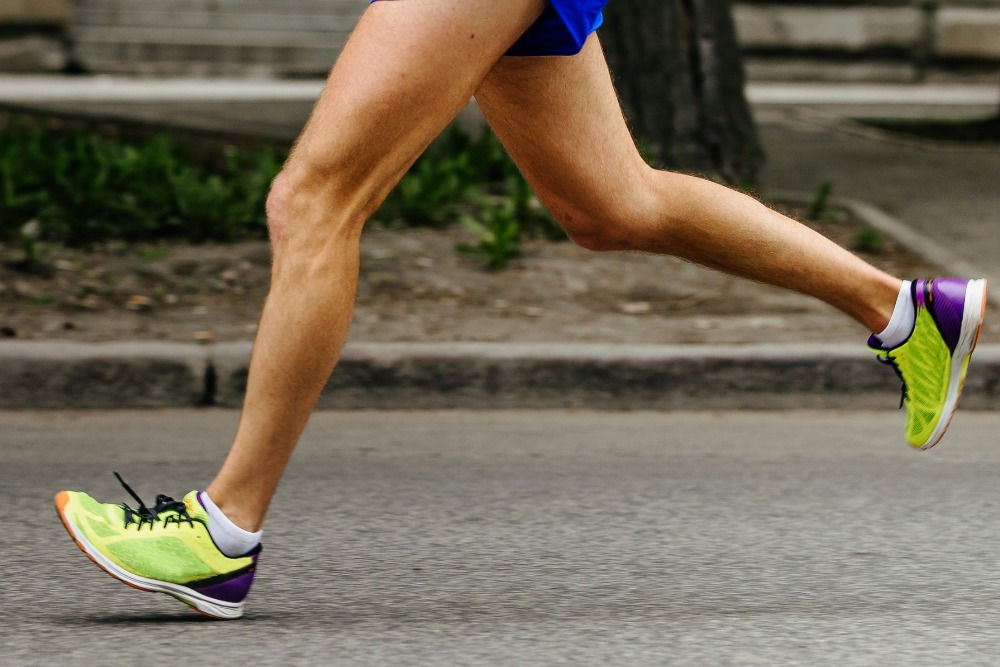
Heel-strike running is often considered inefficient and potentially harmful because the heel contacts the ground first with the leg extended in front of the body, creating a braking force that sends higher impact shock up through the ankle, knee, and hip joints. This impact loading can increase the risk of common overuse injuries such as […]